


The Reality of Fragile Skin in Aging
As we age, our bodies undergo profound changes, but few are as visibly evident as the changes in our skin. For caregivers and seniors alike, managing minor injuries becomes a major concern when the skin loses its resilience. Have you ever noticed how a simple bump or a minor scrape can result in a significant wound or a dramatic bruise on an elderly person? This is not just a cosmetic issue; it is a medical reality known as skin fragility.
Understanding proper wound care for seniors is crucial in ensuring their health and well-being.
Treating cuts on seniors requires a fundamentally different approach than treating a scraped knee on a child. The “rip the band-aid off” method is no longer a sign of toughness—it is a potential hazard that can cause further injury. This guide aims to equip you with professional, actionable knowledge on how to properly care for wounds on fragile, paper-thin skin, ensuring rapid healing and preventing complications.
This includes specialized wound care for seniors that addresses their unique needs and promotes safe healing.
Understanding Why Senior Skin Becomes Fragile
To treat the problem effectively, we must first understand the physiology behind it. Why does skin that was once tough and elastic become as delicate as tissue paper?
In summary, effective wound care for seniors is vital to manage skin fragility and enhance recovery.
The Role of Collagen and Elastin Loss
The primary culprits are collagen and elastin. These are the structural proteins that give skin its strength and ability to snap back after being stretched. As we age, the production of these proteins slows down significantly. Simultaneously, the layer of fat located just beneath the skin (the subcutaneous layer) begins to diminish. This fatty layer acts as a shock absorber; without it, blood vessels are less protected, leading to the easy bruising often seen in seniors (senile purpura).
Common Causes of Thinning Skin (Dermatoporosis)
Medical professionals often refer to chronic skin fragility as “dermatoporosis.” Beyond natural aging, external factors play a massive role. Long-term sun exposure is a major contributor, breaking down skin structure over decades. Additionally, certain medications, particularly corticosteroids used for conditions like arthritis or asthma, can accelerate skin thinning. Understanding these factors helps us realize that thin skin is not a failure of care, but a physiological condition that requires specific management techniques.
Immediate First Aid: How to Treat a Cut on Thin Skin
When an accident happens, panic is the enemy. Whether it is a kitchen knife slip or a skin tear from bumping into a doorframe, your immediate reaction determines how well the wound will heal.
Controlling the Bleeding Without Causing Damage
The first priority is always to stop the bleeding. However, on fragile skin, you cannot apply aggressive pressure. Use a clean, soft cloth or a sterile gauze pad and apply gentle, firm pressure directly to the wound. Do not rub. Rubbing can tear the skin further or disrupt the clotting process. If the bleeding is on a limb (arm or leg), try to elevate it above the level of the heart to reduce blood flow to the area naturally.
Cleaning the Wound Safely
Once the bleeding is under control, the wound must be cleaned to prevent infection. Avoid harsh antiseptics like hydrogen peroxide or rubbing alcohol, as these can damage the delicate tissue and delay healing. Instead, use cool or lukewarm tap water or a sterile saline solution. Gently irrigate the wound to wash away debris. If there is dirt embedded that water won’t remove, do not scrub. In such cases, professional medical help may be safer to avoid deepening the injury.
The Danger of Adhesive: Choosing the Right Dressings
This is perhaps the most critical section of wound care for seniors. The wrong bandage can turn a minor cut into a serious skin tear.
Why Traditional Band-Aids Are Hazardous
Standard adhesive bandages are designed for resilient skin. On elderly skin, the adhesive is often stronger than the bond between the layers of the skin itself. When you remove a standard bandage, you risk “skin stripping”—peeling off the top layer of skin along with the bandage. This causes a secondary wound that is often larger and more painful than the original cut.
Recommended Bandages for Elderly Skin
We must utilize advanced wound care products designed for sensitivity.
Silicone-Based Dressings
Soft silicone dressings are the gold standard for fragile skin. They adhere gently to the skin but release easily upon removal without stripping cells. They create a seal that protects the wound from bacteria while maintaining a moist healing environment, which is proven to speed up tissue repair.
Non-Adherent Pads and Tubular Bandages
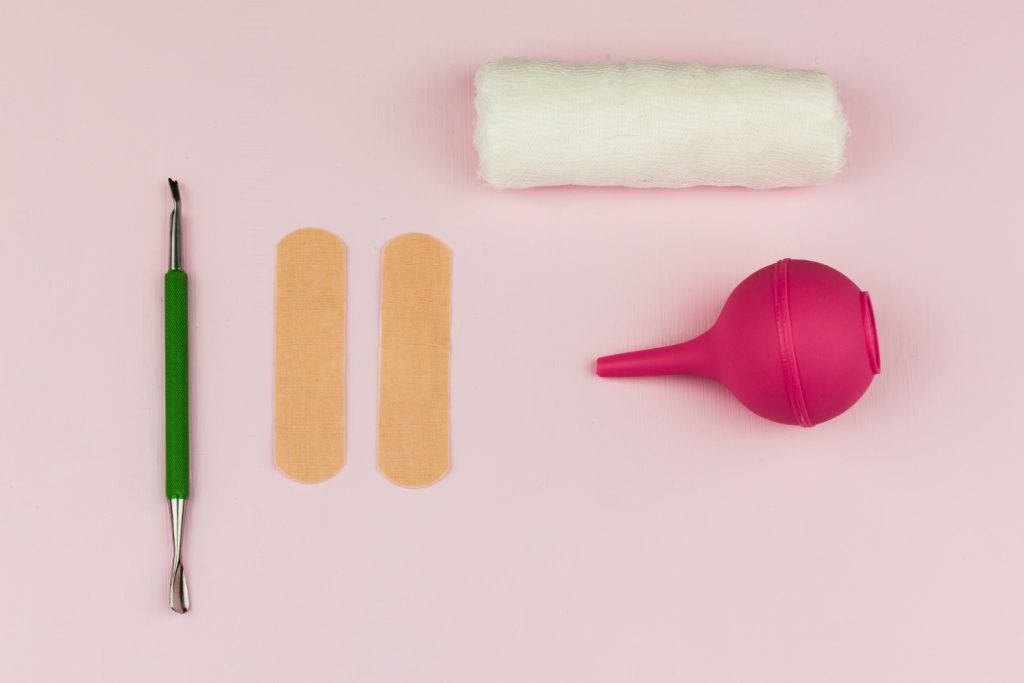
If silicone dressings are unavailable, use a non-adherent pad (often labeled as “ouchless” or “non-stick”) and secure it in place without tape touching the skin. You can use a tubular bandage (a stretchy, net-like sleeve) or a roll of gauze wrapped lightly around the limb to hold the pad in place. If you absolutely must use tape, use paper tape or silicone tape, and apply it to the bandage, not the skin, whenever possible.
Managing Skin Tears: A Common Senior Injury
A skin tear occurs when the layers of skin separate or peel back, often looking like a flap. This is distinct from a clean cut.
Preserving the Skin Flap
If a skin tear results in a flap of skin, do not cut it off. That flap is the best “biological dressing” available. After cleaning the wound gently, attempt to realign the skin flap back to its original position using a gloved hand or a wet cotton swab. Once aligned, cover it with a non-adherent dressing. The flap may reattach and heal, or it may eventually slough off, but keeping it in place initially protects the raw tissue underneath.
Accelerating the Healing Process
Treating the wound from the outside is only half the battle. Seniors often heal slower due to reduced blood flow and slower cell regeneration. We can combat this internally.
The Importance of Nutrition and Hydration
Dehydrated skin is brittle skin. ensuring the senior drinks adequate water is essential for maintaining skin elasticity. Furthermore, the body requires specific building blocks to repair tissue. Protein is vital. Ensure the diet includes lean meats, beans, eggs, or protein shakes.
Supplements That Support Tissue Repair
Consult a doctor about supplements. Vitamin C and Zinc are critical for collagen formation and wound healing. A deficiency in these micronutrients can stall the healing process significantly. However, these should be managed carefully to avoid interactions with other medications.

Recognizing Signs of Infection in Seniors
Seniors may not always mount a fever in response to an infection due to a potentially compromised immune system. Therefore, local signs are more important. Monitor the wound daily for:
Increased redness spreading from the wound edge.
Swelling or warmth to the touch.
Increased pain or tenderness.
Pus or discharge that is yellow, green, or foul-smelling.
A change in the color of the wound bed (e.g., turning black or necrotic).
If any of these signs appear, immediate medical intervention is required.
Prevention Strategies: Protecting Paper-Thin Skin
The best treatment is prevention. While we cannot reverse aging, we can mitigate the risks.
Environmental Safeguards
Survey the living space. Pad sharp corners on furniture. Ensure clear pathways to prevent trips and falls. Long sleeves and long pants can provide a physical barrier against minor scrapes, acting as a second skin.
Skincare Routines to Thicken and Protect
Regular moisturizing is non-negotiable. Use fragrance-free, hypoallergenic lotions twice daily. Look for creams containing ceramides or hyaluronic acid, which help retain moisture. Avoid hot baths, which strip natural oils, and opt for warm showers instead.
When to Seek Professional Medical Attention
Not all wounds can be managed at home. You must seek a doctor if:
The bleeding does not stop after 10-15 minutes of pressure.
The cut is deep enough to see muscle, fat, or bone.
The wound is located on the face.
The edges of the cut are jagged and won’t come together (stitches may be needed).
The injury was caused by a dirty or rusty object (tetanus risk).
Conclusion
Caring for cuts on fragile, elderly skin requires patience, the right tools, and a gentle touch. By moving away from traditional adhesive bandages and adopting a protocol that respects the delicate nature of senior skin, caregivers can prevent complications and ensure faster, less painful healing. Remember, senior skin is not just “older” skin; it is a delicate organ that requires specialized attention. With the right prevention strategies and immediate care techniques, you can effectively manage these injuries and maintain the quality of life for the seniors in your care.