


The Hidden Microbial Map of Your Home
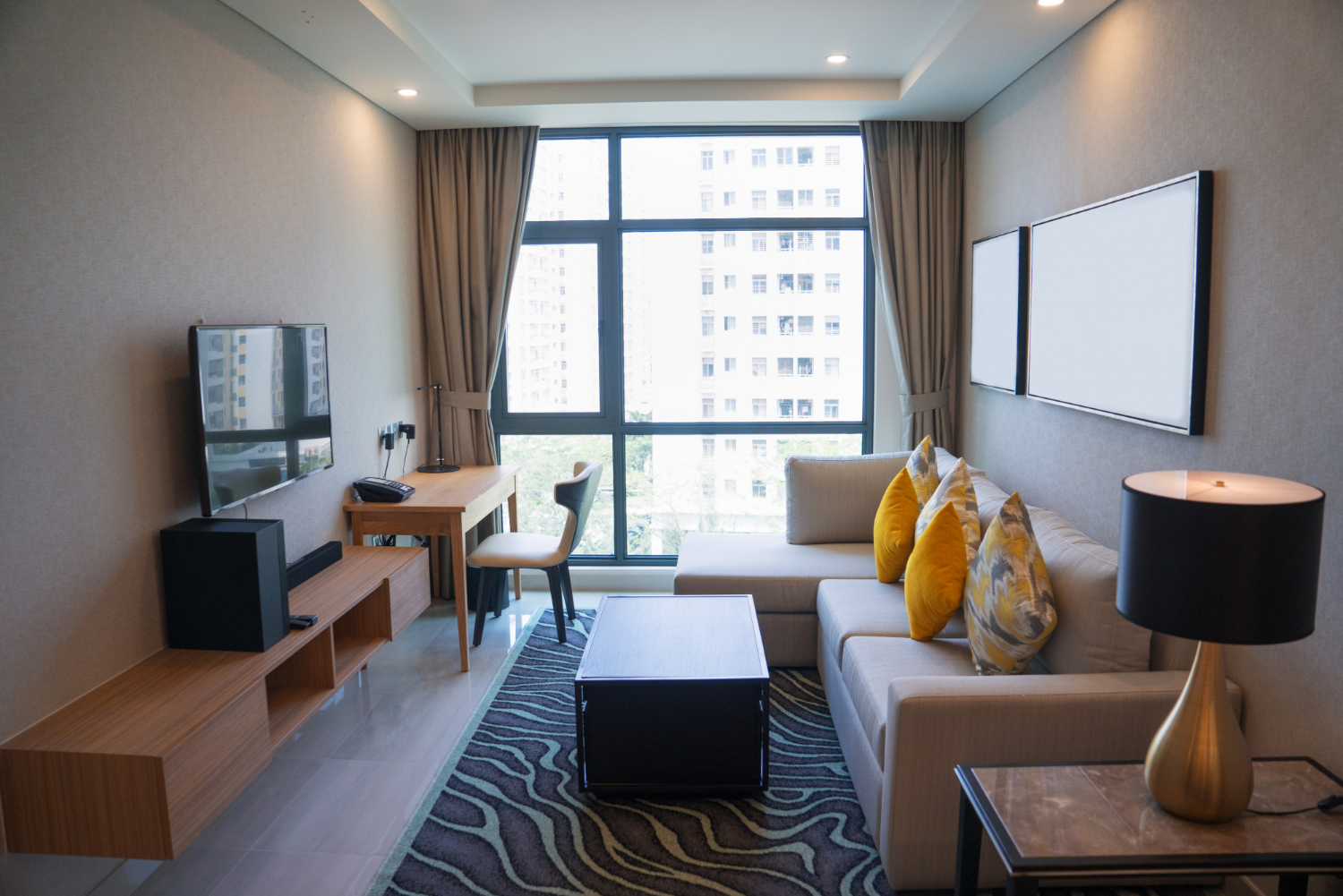
When you walk into your HDB flat after a long day of work or school, the first thing you likely do is wash your hands. It is a habit ingrained in us from a young age, especially in a health-conscious city like Singapore. But have you ever stopped to consider what you touched before you reached the sink? From the moment you step out of the lift to the second you turn on the kitchen tap, you are interacting with a hidden microbial map of your home. We often spend hours scrubbing our floors and wiping down windows, yet we frequently overlook the tiny, high-traffic surfaces that actually pose the greatest risk to our family’s health.
Understanding the impact of High-Touch Surfaces in Your HDB is essential for maintaining a healthy living environment.
Why Cleaning is Not the Same as Disinfecting
One of the most common mistakes homeowners make is confusing “cleaning” with “disinfecting.” Cleaning involves removing visible dirt, dust, and grime using soap and water. While this is important for aesthetics, it does not necessarily kill the microscopic pathogens—bacteria, viruses, and fungi—that live on surfaces. Disinfecting, on the other hand, uses specialized chemical agents to destroy these invisible invaders. In 2026, as we face new variants of common illnesses like the flu and Hand, Foot, and Mouth Disease (HFMD), understanding this distinction is more vital than ever.

The Concept of “High-Touch” Surfaces in Urban Singapore
In public health, a “high-touch” surface is any object that is handled frequently by multiple people throughout the day. In a typical Singaporean household, these are the primary vectors for cross-contamination. Think about it: if one family member brings home a virus from the office, how does it spread to everyone else? It isn’t usually through the air; it is through the surfaces everyone touches.
How Pathogens Travel from the MRT to Your Living Room
Our daily commute is a gauntlet of germs. We touch MRT grab poles, escalator handrails, and lift buttons. Even if we use hand sanitiser, we inevitably transfer some of these external pathogens onto our personal belongings and, eventually, our home surfaces. By identifying and targeting these high-touch areas, we can break the chain of infection before it starts.
1. The Entry Point: Digital Locks and Door Handles
Your front door is the gatekeeper of your home, but it is also the most frequently touched surface by both residents and visitors. In recent years, digital locks have become the standard in Singaporean HDBs and condos.
Why Your Smart Lock is a Germ Magnet
Whether it is a fingerprint scanner, a keypad, or a traditional handle, these entry points are touched by every person who enters your home—often before they have had a chance to wash their hands. Finger oils can trap bacteria on the surface, allowing them to survive for hours or even days.
Protecting Your Family Before They Even Step Inside
Make it a habit to disinfect your door handles and digital keypads at least once a day. This is your first line of defense. By ensuring the entry point is sterile, you significantly reduce the amount of “external” germs that make it into your living sanctuary.
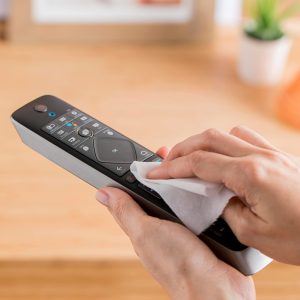
2. The Command Center: Remote Controls and Game Controllers
After a long day, many Singaporeans unwind in front of the TV or with a gaming console. These devices are the ultimate “shared” objects in a household.
The Porous Nature of Modern Electronics
Remote controls and game controllers are often filled with nooks and crannies where dust and skin cells accumulate. Because they are handled for long periods, often while snacking, they become breeding grounds for bacteria. Have you ever noticed a slight “grime” on your remote? That is a biological film that needs professional-grade disinfection.
3. The Kitchen Secret: Cabinet Handles and Fridge Doors
We tend to think of the kitchen as a clean place because we wash our dishes there. However, the handles we touch while preparing food are often neglected.
Cross-Contamination During Meal Preparation
When you are handling raw meat or unwashed vegetables, you frequently open cabinets to grab spices or open the fridge for ingredients. This creates a high risk of cross-contamination. If you touch a fridge handle with contaminated hands, those bacteria can wait there for the next person who just wants a cold drink.
4. The Shared Space: Light Switches and Fan Regulators
These are perhaps the most “invisible” surfaces in our homes. We touch them dozens of times a day without a second thought.
Why These Small Surfaces Carry a Large Viral Load
Because light switches and fan regulators are small, we often skip them during our weekly cleaning routine. Yet, they are touched by everyone from the toddler to the grandparent. In high-humidity environments like Singapore, these plastic surfaces can harbor viruses like the common cold for surprisingly long periods.
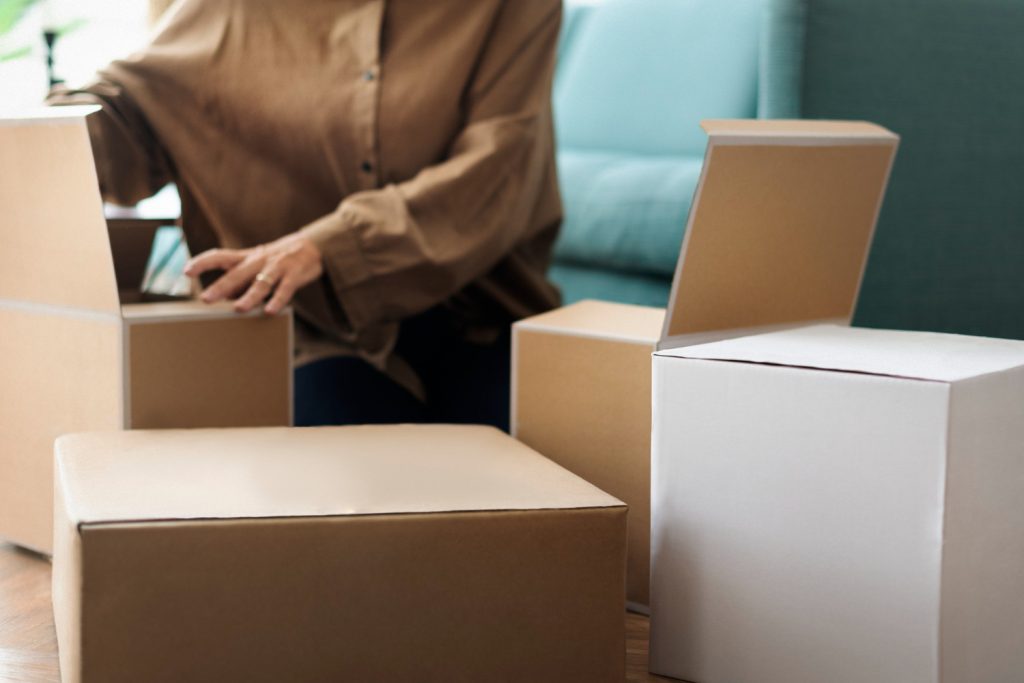
5. The Modern Essential: Delivery Parcels and Mailbox Keys
Singapore is a hub for e-commerce. Whether it is a Shopee delivery or a Foodpanda order, external items are constantly entering our HDB flats.
Managing the “Last Mile” of External Germs
The parcels you receive have passed through multiple hands—from the warehouse to the delivery van. Your mailbox keys, too, are handled daily. Disinfecting these items (or your hands immediately after handling them) is a critical step in modern home hygiene that many people still forget.
High-Density Living and HFMD Prevention
In Singapore, we live in close proximity. Our high-density HDB estates mean that we share lifts, corridors, and playgrounds with hundreds of neighbors. This makes our homes even more vulnerable to community-spread illnesses.
Why HDB and Condo Residents Need a Targeted Strategy
For parents of young children, targeted surface disinfection is the best way to prevent the dreaded “HFMD outbreak” that can shut down childcare centers and keep parents away from work. By focusing on the high-touch surfaces where children play and interact, you create a “safe zone” that protects the most vulnerable members of your family.
Choosing the Right Tools for Surface Disinfection
Now that you know where to clean, the question is how. Not all cleaning products are created equal. Using a generic spray might miss spots or leave surfaces too wet, potentially damaging electronics.
Why Wipes are Often Superior to Sprays for Precision Cleaning
For high-touch surfaces, a pre-saturated disinfectant wipe is often the superior choice. Wipes allow for mechanical removal of germs while ensuring the correct “contact time” for the disinfectant to work. For these surfaces, a quick wipe is often more effective than a spray; see [Disinfectant Wipes vs. Sprays: Which is Better for Your Home Office?] to find out how to choose the right tool for your modern home.
Conclusion: Creating a “Safe Zone” for Your Loved Ones
Home should be a place of safety and rest. By spending just five minutes a day disinfecting these five high-touch surfaces, you are doing more for your family’s health than an hour of general floor mopping ever could. It is about being smart, targeted, and consistent. In the busy rhythm of Singaporean life, these small habits are the foundation of a healthy home. Take control of your environment, eliminate the invisible threats, and give your loved ones the protection they deserve.