


The Post-Pandemic Hand Hygiene Reality: A Comprehensive Hand Sanitiser Guide 2026
In the fast-paced, high-density environment of 2026 Singapore, hand hygiene has moved from a temporary precaution to a permanent lifestyle. Whether you are navigating the morning rush on the North-South Line or sharing a meal at a crowded hawker centre in Maxwell, your hands are constantly interacting with shared surfaces. We have all become accustomed to the ubiquitous sanitiser dispensers at every mall entrance and MRT gantry. But as we reach for these public solutions, have we ever stopped to ask: what exactly is in that bottle? And more importantly, is it the best choice for our family’s unique needs?
As we explore these options, this Hand Sanitiser Guide 2026 will help you make informed decisions.
Why We Can’t Stop Sanitising in 2026
The world has changed, and our awareness of community-spread illnesses—from the seasonal flu to the ever-present threat of HFMD—is at an all-time high. In a city as interconnected as Singapore, a single handshake or a shared lift button can be a bridge for pathogens. However, the “one-size-fits-all” approach to hand sanitiser is a relic of the past. Today, we have the luxury of choice between traditional alcohol-based formulas and modern alcohol-free alternatives. Making the right choice requires understanding the science behind the sting.
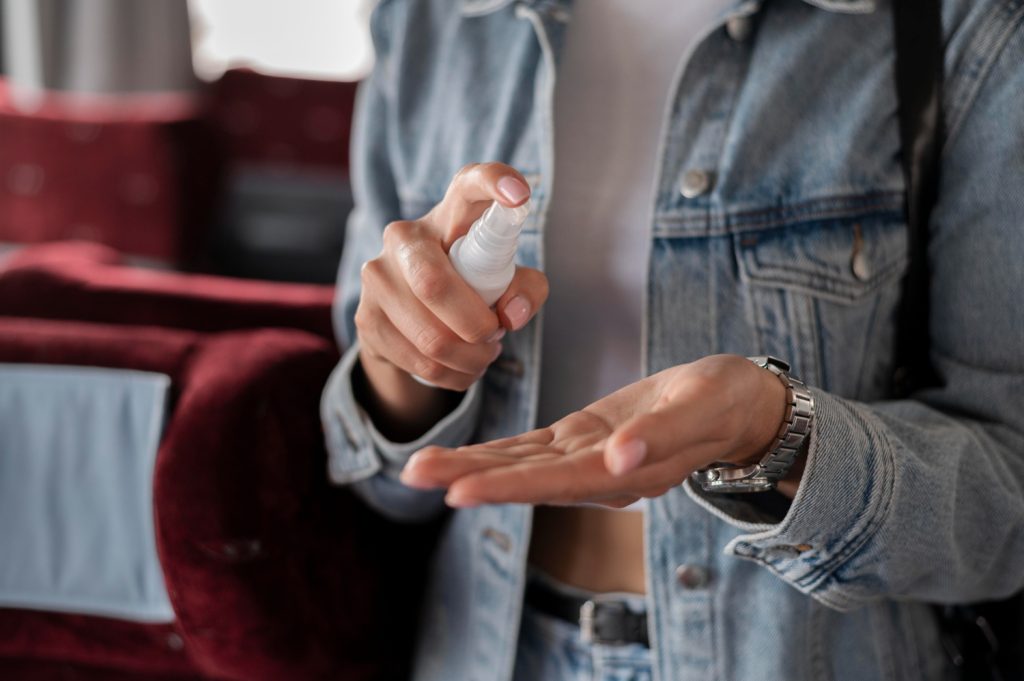
The Traditional Powerhouse: Alcohol-Based Sanitisers
Alcohol-based sanitisers have been the clinical standard for decades. They are the “go-to” for rapid disinfection in hospitals and clinics worldwide. Usually containing either ethanol or isopropanol, these liquids are designed for high-speed germ destruction.
How Ethanol and Isopropanol Kill Germs
Alcohol works through a process called protein denaturation. Imagine the outer membrane of a virus or bacterium as a protective coat; alcohol essentially “melts” this coat, causing the internal structures of the pathogen to fall apart. It is incredibly effective against a broad spectrum of invaders, including the most common respiratory viruses.
The 60% Threshold: Why Concentration Matters
For an alcohol-based sanitiser to be effective, it must contain at least 60% alcohol. Anything less is merely “cleaning” rather than “disinfecting.” In Singapore’s humid climate, alcohol evaporates quickly, which is great for a “no-residue” feel, but it also means the contact time is short. You must ensure you use enough liquid to keep your hands wet for at least 20 to 30 seconds to achieve a full kill.
The Modern Alternative: Alcohol-Free Formulations
While alcohol is a powerful tool, it isn’t without its drawbacks—especially for those with sensitive skin or young children. This has led to the rise of alcohol-free sanitisers, which utilize different active ingredients to achieve a similar goal.
Understanding Benzalkonium Chloride and Other Actives
Most alcohol-free sanitisers use quaternary ammonium compounds, such as Benzalkonium Chloride (BKC). Unlike alcohol, which kills through a physical “melting” process, BKC works by disrupting the electrical charge of the pathogen’s cell membrane, causing it to leak and die.
Why “Alcohol-Free” Doesn’t Mean “Efficacy-Free”
A common misconception is that alcohol-free products are “weaker.” While they may take slightly longer to reach their full kill rate (often 60 seconds compared to alcohol’s 15-30 seconds), they offer several advantages that alcohol cannot match, such as persistence on the skin and a much gentler profile for the skin barrier.
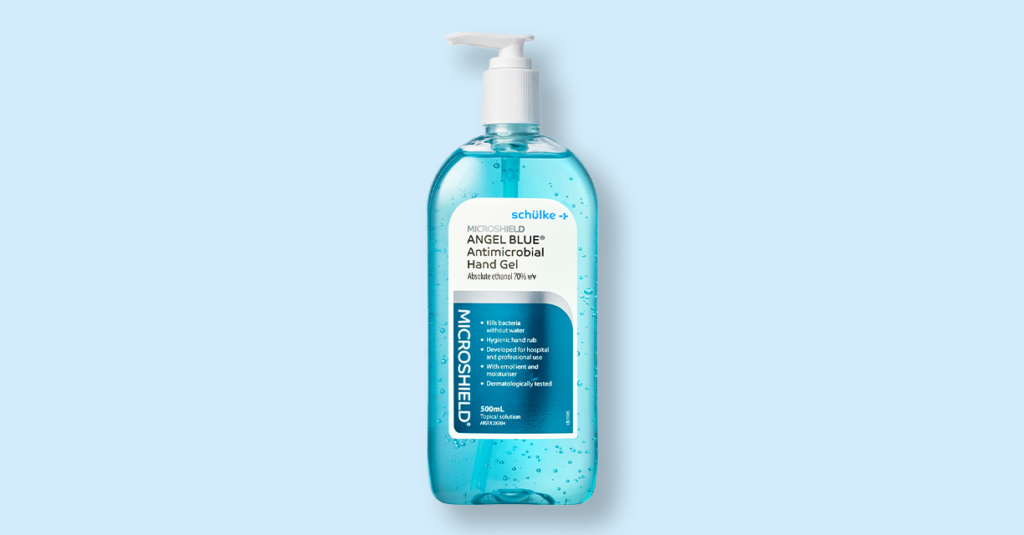
5 Critical Comparisons for Singaporean Families
1. Speed of Action: The Rapid Kill Factor
If you are in a rush—perhaps just stepping off a bus and about to grab a snack—alcohol is the winner. Its rapid onset makes it the superior choice for “instant” disinfection. If speed is your primary concern, a high-quality alcohol rub is hard to beat.
2. Skin Compatibility: Dealing with Eczema and Dryness
Many Singaporeans suffer from “sanitiser dermatitis”—the dry, cracked, and itchy skin caused by frequent alcohol use. Alcohol strips away the natural lipids that keep our skin hydrated. For those with eczema or naturally dry skin, alcohol-free sanitisers are a godsend. They are non-drying and often include skin-conditioning agents that leave hands feeling soft rather than stripped.
3. Safety and Flammability in the Singaporean Heat
We cannot ignore the fact that alcohol is highly flammable. Storing large bottles of 70% alcohol in a hot car parked at an open-air carpark in Jurong is a genuine safety risk. Alcohol-free sanitisers are non-flammable and stable in high temperatures, making them a safer choice for vehicle storage or for use in environments with open flames, like a BBQ at East Coast Park.
4. Persistence: How Long Does the Protection Last?
Alcohol stops working the moment it evaporates. Once your hands are dry, you are vulnerable to the next surface you touch. Some alcohol-free formulations offer a “remanent effect,” meaning the active ingredient stays on the skin surface for a period of time, providing a continued shield against new germs.
5. Child Safety: Preventing Accidental Ingestion Risks
For parents of toddlers, alcohol-based sanitisers pose a risk of accidental poisoning or eye irritation. Alcohol-free foams are often preferred for schools and nurseries because they don’t sting if they get into a small scratch and are much safer if a child accidentally licks their hands.
From MRT Commutes to Hawker Centres
In Singapore, we are constantly transitioning between air-conditioned “dry” environments and the humid outdoors. This cycle is tough on our skin. Publicly provided sanitisers are often the cheapest available options, frequently containing harsh denaturants that can cause skin irritation over time.

Why Carrying Your Own Professional-Grade Sanitiser is Superior
By carrying your own medical-grade sanitiser, you control the quality of what goes on your skin. You can choose a formula that includes emollients to protect your skin barrier while still providing the hospital-grade protection that a city like Singapore demands. Why settle for a “mystery liquid” when you can use what the doctors use?
When to Choose Alcohol-Based vs. Alcohol-Free
A Quick Reference Guide for Parents and Professionals
•Use Alcohol-Based when: You need the fastest possible kill, you are in a high-risk medical environment, or you have just touched a known contaminated surface.
•Use Alcohol-Free when: You have sensitive skin or eczema, you are sanitising children’s hands, or you need a product that stays active on the skin for longer.
The Professional Standard: Why Medical-Grade Brands Matter
Whether you choose alcohol-based or alcohol-free, the brand matters. Supermarket generics often lack the rigorous clinical testing required to guarantee efficacy against a broad spectrum of pathogens. Medical-grade brands, used in Singapore’s top hospitals, are held to a much higher standard of quality and safety.
Transitioning to Trusted Healthcare Solutions
Making the right choice for your family is about balancing efficacy with skin health. For those with sensitive skin or young children, you should read [Why Microshield® is the Trusted Hand Hygiene Brand for Singaporean Healthcare Workers] to see how professional-grade solutions can provide the ultimate protection without the irritation.
Making an Informed Choice for Your Loved Ones
Hand hygiene in 2026 is no longer about fear; it is about smart, sustainable habits. By understanding the differences between alcohol-based and alcohol-free sanitisers, you can tailor your protection to your lifestyle. Whether you need the rapid fire of alcohol for your daily commute or the gentle persistence of an alcohol-free foam for your children, the power is in your hands. Don’t let your skin suffer for the sake of safety. Choose a professional-grade hand sanitisers that respects your biology while destroying the pathogens that threaten your family’s health.