


We have all been there. You spent a little too much time at the beach or forgot to reapply your sunscreen during a hike, and now your skin is radiating that unmistakable, painful heat. As you rummage through your medicine cabinet looking for relief, you push past the empty bottle of aloe vera and find a tube of wound gel intended for cuts and scrapes. You pause and wonder: Can I use this? Is it safe?
It is a common dilemma. After all, a sunburn is technically a type of skin injury. However, not all “wounds” are created equal, and treating a thermal burn caused by UV radiation requires a specific approach. In this guide, we will dive deep into the science of sunburns, dissect the ingredients in common wound gels, and provide a dermatologist-approved perspective on how to heal your skin effectively.
In this context, many people wonder about the effectiveness of using a wound gel on sunburns. This article will help clarify that.
Understanding Sunburn: More Than Just Red Skin
Before we decide what to put on the burn, we need to understand what is happening inside the skin. A sunburn is not just a temporary annoyance; it is a radiation burn, and many seek relief through options like wound gel on sunburns.
The Physiology of a Sunburn
When your skin is exposed to ultraviolet (UV) light—specifically UVA and UVB rays—it triggers a defense mechanism. The UV radiation penetrates the epidermis and damages the DNA in your skin cells. In response, your body rushes blood to the area to repair the damage and remove cells that have mutated beyond repair (apoptosis). This increased blood flow is what causes the characteristic redness (erythema) and heat.
Understanding the effects of various treatments, including the use of wound gel on sunburns, can aid in faster recovery and better skin health.
Classifying Burn Severity
Most sunburns are first-degree burns, affecting only the outer layer of the skin. Symptoms include redness, heat, and mild pain. However, severe exposure can lead to second-degree burns, which penetrate the dermis and result in blistering. If you have widespread blistering, fever, or chills, this article is not for you—you need to see a doctor immediately.

What is Wound Gel?
“Wound gel” is a broad term that can refer to several different products. To determine if they are safe for sunburns, we must identify what is inside the tube.
Common Ingredients in Wound Gels
Most general-purpose wound gels fall into two categories:
Antiseptic/Antibiotic Gels: These often contain ingredients like bacitracin, neomycin, or polymyxin B (think Neosporin). Their primary goal is to kill bacteria and prevent infection in open cuts.
Hydrogels: These are water-based gels designed to donate moisture to a wound bed. They often contain water, glycerin, and polymers like carboxymethyl cellulose.
How Wound Gels Typically Function
Wound gels are engineered to keep a wound environment moist, which speeds up cell migration and healing (re-epithelialization). This is excellent for a scraped knee or a surgical incision. But does it translate to a sunburn?
Can You Use Wound Gel on Sunburns? The Verdict
The short answer is: It depends on the type of gel.
The Case for Hydrogel-Based Wound Gels
If the wound gel you found is a pure hydrogel (often used for diabetic ulcers or minor burns), it can actually be quite soothing for a sunburn. Because these gels have a high water content, they provide an immediate cooling effect through evaporation. They help hydrate the parched, damaged skin barrier without trapping heat.
The Risks of Antibiotic Wound Gels
However, if your “wound gel” is a triple-antibiotic ointment, you should proceed with caution.
Allergic Reactions: Ingredients like neomycin are common allergens. Applying them over a large surface area (like a sunburned back) increases the risk of developing allergic contact dermatitis, which will make the itching and redness significantly worse.
Occlusive Nature: Many antibiotic gels are petroleum-based ointments. While they are great for keeping a cut moist, thick ointments can trap heat inside the skin. When treating a fresh sunburn, the goal is to let heat escape, not seal it in.
Better Alternatives: Dermatologist-Recommended Sunburn Treatments
While some wound gels can be used in a pinch, they are rarely the best option. Dermatologists generally recommend specific treatments targeted at cooling inflammation and repairing the skin barrier.
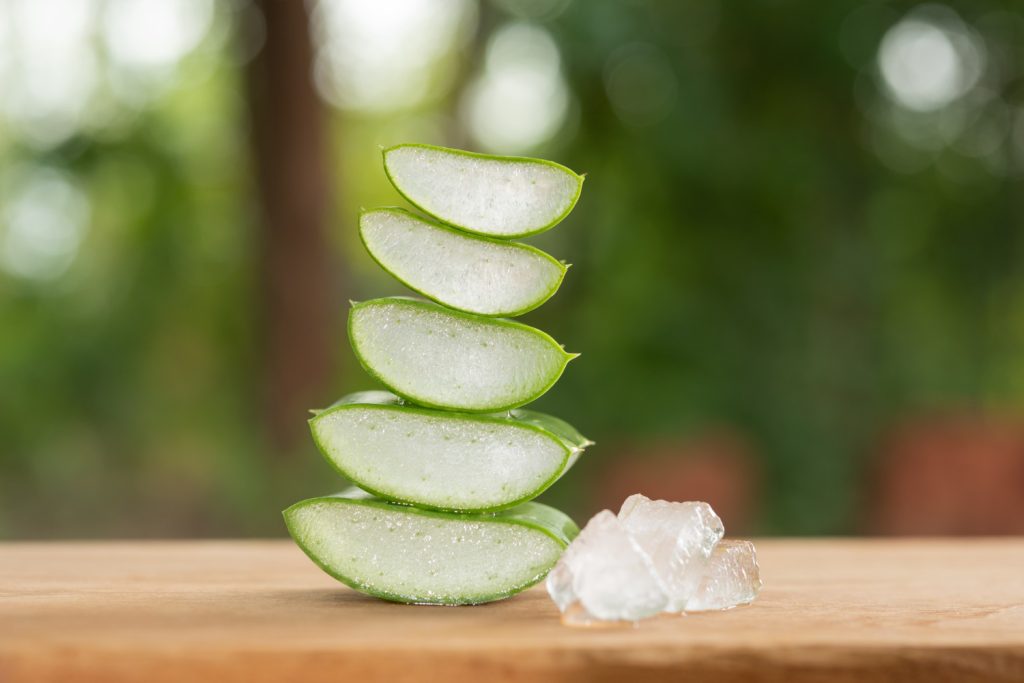
Aloe Vera: Nature’s Burn Healer
There is a reason aloe is the gold standard. Pure aloe vera gel contains compounds like aloin and anthraquinones that have anti-inflammatory and antioxidant properties.
Pro Tip: Keep your aloe vera in the fridge. The cold temperature constricts blood vessels, reducing redness and throbbing instantly.
Cool Compresses and Baths
Physical cooling is vital. Taking a cool (not freezing) bath can draw heat out of the body. Adding colloidal oatmeal or baking soda to the bathwater can help soothe the itch and normalize the skin’s pH levels.
Over-the-Counter Medications
NSAIDs: Non-steroidal anti-inflammatory drugs like ibuprofen or aspirin can help reduce the systemic inflammation and pain associated with the burn. They work best if taken within the first few hours of sun exposure.
Hydrocortisone Cream: For small, particularly itchy patches, a low-potency (1%) hydrocortisone cream can reduce inflammation. However, avoid using this over very large areas without medical advice.
Ingredients to Avoid on Sunburned Skin
Just as important as knowing what to use is knowing what to avoid. Some “home remedies” and standard wound care products can actually cause more harm than good.
Petroleum Jelly and Heavy Oils
The “Greenhouse Effect” on Skin
Petroleum jelly (Vaseline) is an occlusive. It forms a watertight seal over the skin. If you apply this to a fresh, hot sunburn, you trap the heat inside the tissue. This can prolong the burning sensation and potentially deepen the burn. Save the heavy moisturizers for the peeling stage, after the heat has dissipated.
Benzocaine and Lidocaine
Many “sunburn relief” sprays contain topical anesthetics like benzocaine or lidocaine ending in “-caine.” While they numb the pain temporarily, they are notorious for causing skin irritation and allergic reactions in sensitive individuals.

Steps to Treat a Sunburn Immediately
If you have just realized you are burned, follow this protocol:
Get out of the sun immediately. Every second counts.
Cool the skin. Take a cool shower or apply damp cloths.
Moisturize while damp. Apply aloe vera or a light, water-based lotion while the skin is still slightly wet to lock in hydration.
Hydrate internally. Sunburn draws fluid to the skin’s surface and away from the rest of the body. Drink plenty of water.
Assess for blisters. If blisters form, do not break them.
When Does a Sunburn Become a Wound?
There is a specific stage where a sunburn transitions from a general inflammation to an open wound: blistering.
Managing Blisters
If your sunburn blisters, you effectively have an open wound beneath that bubble of skin. In this specific scenario, wound care protocols apply.
Do not pop the blister; it acts as a sterile biological dressing.
If a blister breaks, you can then use a gentle antibiotic ointment (if you are not allergic) or a hydrogel dressing to prevent infection and keep the area moist.
Treating Peeling Skin
Peeling is your body’s way of shedding damaged cells. While it looks unsightly, do not force it. Pulling off skin that isn’t ready to shed can lead to bleeding and scarring. Keep the area moisturized with a ceramide-rich cream to smooth the edges.
Preventing Future Damage
The best treatment for sunburn is prevention. The damage caused by UV rays is cumulative, leading to premature aging and an increased risk of skin cancer.
Broad-Spectrum SPF: Use at least SPF 30 daily.
Physical Barriers: Hats, sunglasses, and UPF clothing offer consistent protection that doesn’t wash off.
Conclusion
So, can you use wound gel on sunburns? If it is a water-based hydrogel, yes—it can provide soothing, cooling relief. However, if it is a thick, petroleum-based antibiotic ointment, you should keep it in the first-aid kit for cuts and scrapes. These products can trap heat and irritate inflamed skin.
Instead, stick to the classics: cool water, aloe vera, and gentle moisturizers. Your skin is your body’s largest organ; treat it with the care it deserves, and it will recover.