



The Critical Transition from Hospital to Home
The moment you are discharged from a hospital like Mount Elizabeth or SGH after a successful surgery, a sense of relief inevitably washes over you. You are finally heading back to the comfort of your own bed. However, for your skin, the real work is just beginning. While the surgeons have performed their expertise, the long-term success of your recovery—and the aesthetic quality of your eventual scar—depends heavily on how you manage your skin in the following weeks. Have you ever wondered why some people heal with barely a trace, while others struggle with persistent redness or raised scars? The answer often lies in the post-operative skin care routine. Implementing a thorough post surgery skin care regimen is crucial for optimal healing.
Why the First 14 Days are Vital for Long-Term Healing
The first two weeks after surgery are a “golden window” for tissue repair. During this period, your body is frantically laying down new collagen and re-establishing the skin’s protective barrier. Any disruption—be it from infection, excessive dryness, or mechanical irritation—can lead to complications like Surgical Site Infections (SSIs) or hypertrophic scarring. In modern Singapore, where we strive for the best medical outcomes, understanding how to support this biological process at home is essential.
Understanding the Vulnerable Post-Op Skin Barrier
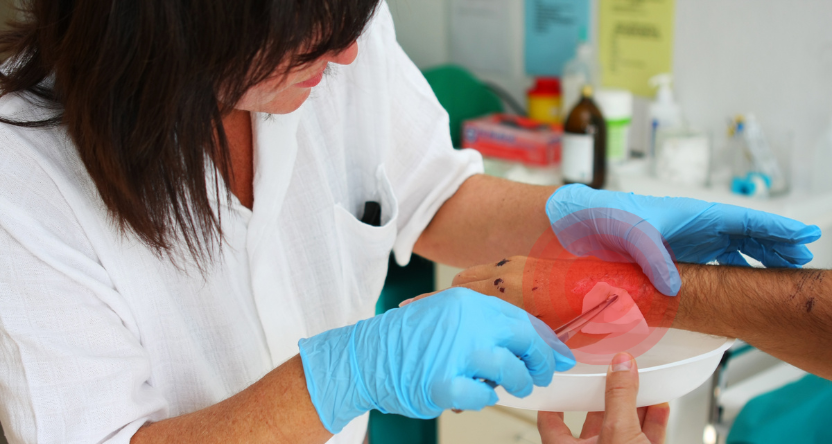
Surgery, by its very nature, breaches the skin’s primary defense system. Even a “minimally invasive” laparoscopic procedure leaves behind small entry points that remain vulnerable until fully epithelialized. Furthermore, the skin surrounding the incision is often sensitized by surgical adhesives, antiseptic prep solutions used in the OR, and the trauma of the procedure itself.
Why Surgery Leaves Your Skin Compromised
Your skin’s natural pH balance and its “acid mantle” are often disrupted during surgery. This makes the skin more prone to irritation and less effective at repelling harmful pathogens. When the skin barrier is weak, moisture escapes more rapidly, leading to the tight, itchy sensation that many patients report after returning home.
The Risk of “Invisible” Bacterial Colonization
We often think of infection as something obvious, like pus or extreme swelling. However, a more subtle threat is “colonization”—where bacteria like Staphylococcus aureus multiply on the skin surface without causing an immediate, full-blown infection. These bacteria can silently delay healing and increase inflammation, leading to a wider, more noticeable scar.
Step 1: Gentle Cleansing Without Disruption
The cornerstone of any post-op routine is cleanliness. But here is the catch: you must clean the skin without stripping away the very oils and proteins that facilitate repair. Traditional bar soaps or heavily fragranced body washes are often too alkaline and harsh for post-surgical skin.
Moving Away from Harsh Soaps and Fragrances
Fragrances and preservatives found in commercial soaps are common allergens that can cause contact dermatitis on sensitized post-op skin. Instead, you should opt for dermatologically tested, pH-neutral cleansers that are specifically formulated for compromised skin.
The Role of Antimicrobial Washes in SSI Prevention
In the medical community, we have moved beyond simple “cleaning” to “decolonization.” Using a specialized antimicrobial wash can significantly reduce the bacterial load on your skin, providing an extra layer of protection against SSIs. This is particularly important for patients who may be carriers of drug-resistant bacteria.
Step 2: Strategic Hydration for Tissue Suppleness
A dry wound is a slow-healing wound. As we discussed in our previous guides on moist wound healing, skin cells need a hydrated environment to migrate and close the gap. But hydration isn’t just for the wound bed; it is for the surrounding skin as well.
Why Dry Skin Leads to Itching and Wound Tension
When the skin around an incision becomes dry and “crispy,” it loses its elasticity. This creates tension across the wound every time you move, which can actually pull the edges of the incision apart, leading to a wider scar. Keeping the surrounding skin supple with medical-grade lotions helps distribute this tension more evenly.
Step 3: Protecting the Incision Site from Environmental Stress
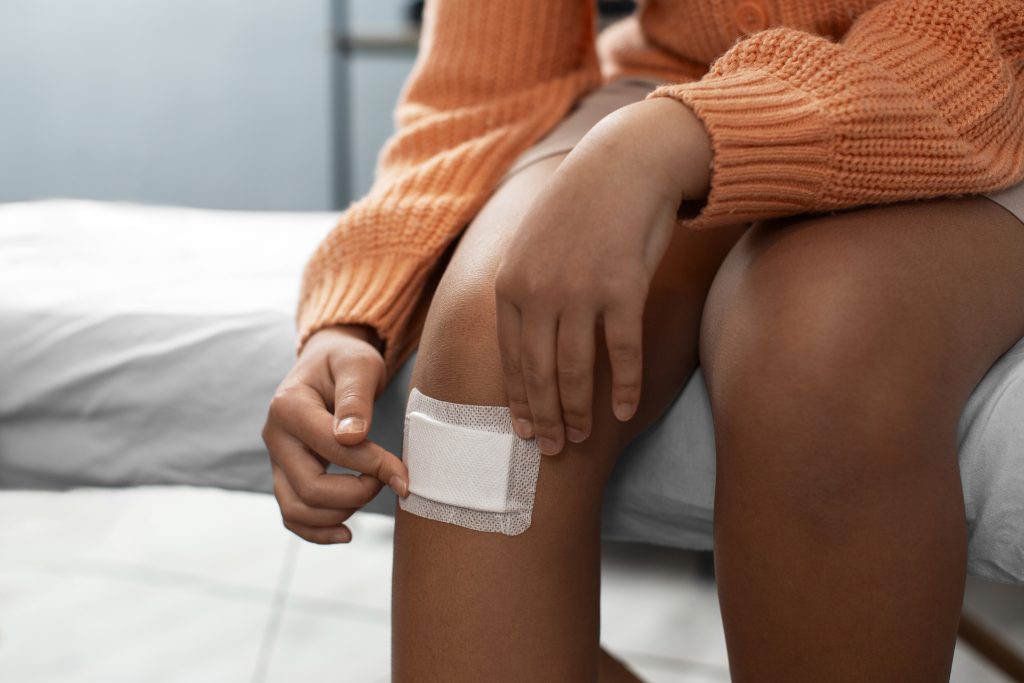
Once you leave the climate-controlled environment of the hospital, your skin is exposed to the elements. In Singapore, this means heat, high humidity, and urban pollutants.
Managing Moisture and Sweat in a Tropical Climate
Sweat is a major irritant for healing incisions. It contains salts and waste products that can sting and promote bacterial growth. If you find yourself sweating while commuting or even just resting at home, it is vital to gently pat the area dry with a sterile gauze and ensure your dressing is breathable yet protective.
4 Common Mistakes to Avoid During Post-Op Recovery
1. Scrubbing the Incision Site Too Vigorously
It is a natural urge to want to “scrub away” the dried blood or adhesive residue. Don’t. Let the warm water and a gentle cleanser do the work. Mechanical friction can tear the delicate new skin cells and cause micro-bleeding.
2. Using Unverified “Natural” Remedies on Open Wounds
While aloe vera or manuka honey have their place, using unsterilized “natural” products on a fresh surgical site is a recipe for infection. Always stick to medical-grade products until the skin has fully closed.
3. Exposing the Scar to Direct Sunlight Too Early
UV rays are the enemy of a healing scar. They trigger hyperpigmentation, causing the scar to turn dark brown or purple permanently. Keep the area covered or use a high-SPF mineral sunscreen once the wound is closed.
4. Neglecting Hand Hygiene Before Touching the Dressing
Your hands are the primary vector for germs. Never touch your incision or change your dressing without first using a hospital-grade hand sanitiser.

Recovery in the Tropics
Recovering in Singapore presents unique challenges. The transition from a 24°C air-conditioned room to a 32°C outdoor environment can cause the skin to “react,” leading to heat rashes or increased itching around the surgical site.
Navigating Humidity and Public Transport During Recovery
If you are taking the MRT or a bus to your follow-up appointments, be mindful of the “crowd factor.” Ensure your incision is protected by a secondary dressing to prevent accidental bumps or contact with unsanitized surfaces.
The Role of Specialized Antimicrobial Solutions
A key part of post-op care is the right cleanser. You need something that provides professional-grade disinfection while remaining gentle enough for daily use on sensitive areas. This is where products used by healthcare professionals make a significant difference. Find out more in [Octenisan® Wash Lotion: How to Prevent Surgical Site Infections at Home] to understand how the right wash can be your best defense.
Consistency is the Key to Minimal Scarring
Post-surgery skin care is not a one-time event; it is a disciplined daily practice. By protecting your skin’s fragile barrier, managing the bacterial load, and maintaining optimal hydration, you are giving your body the best possible environment to finish the work the surgeons started. Don’t leave your recovery to chance. Invest in professional-grade care, follow the steps diligently, and you will be rewarded with a faster, more comfortable recovery and a scar that tells a story of successful healing rather than complication.