


The Persistent Legend of the Scab
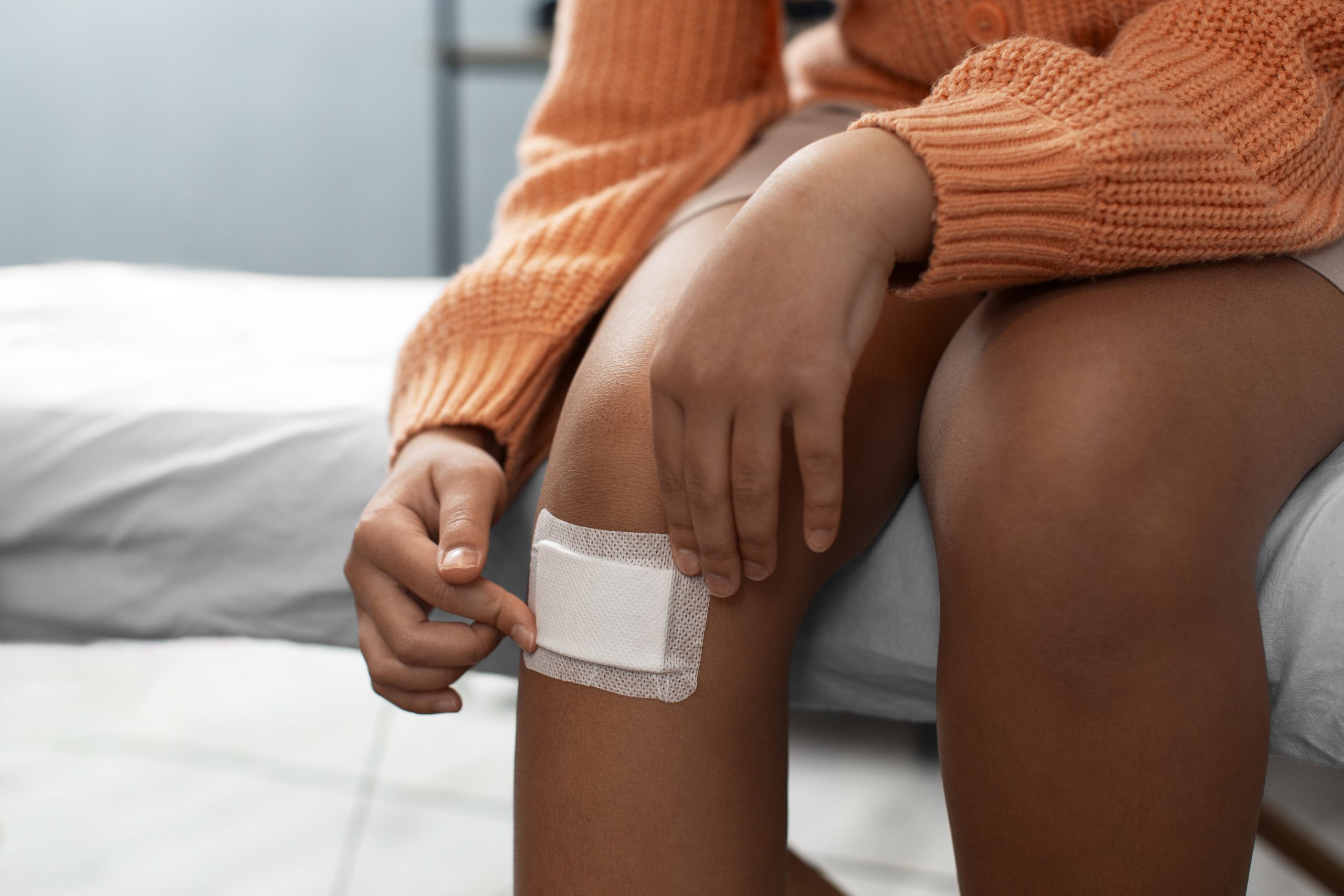
We have all been there. You scrape your knee on the pavement or cut your finger while preparing dinner, and the first piece of advice you receive from a well-meaning relative is: “Take that bandage off and let it breathe! It needs a scab to heal.” For generations, this has been the “gold standard” of household first aid. We have been taught to view a hard, crusty scab as a badge of progress—a natural shield that signifies the body is fixing itself. But what if I told you that this “natural shield” is actually a biological roadblock? The myth of letting your wound breathe has been a common misconception for far too long.
Why We Still Believe Old First Aid Tales
The reason this myth persists is simple: it looks like it works. When a wound dries out and forms a scab, the bleeding stops and the area becomes “tough.” However, modern clinical science has proven that this traditional approach is not only slower but can also lead to more pain and permanent scarring. In 2026, with the advanced medical-grade solutions available to us, it is time to retire the “let it breathe” philosophy and embrace the science of moist wound healing. If you are leaning towards a more modern approach to recovery, you should first learn to identify the early warning signs of complications in our next guide: [Signs of Infection vs. Normal Healing: What Every Singaporean Should Know].
What Exactly is Moist Wound Healing?
Moist wound healing is the practice of keeping a wound covered with a dressing that maintains a balanced level of hydration. Instead of allowing the wound bed to dry out and form a hard crust, we use specialized dressings and antiseptic treatments to create an environment where the body’s natural repair cells can thrive. This isn’t about making the wound “wet” or “soggy”—it is about maintaining an optimal physiological environment that mimics the conditions inside our own bodies.
Moving Beyond Traditional Dry Dressings
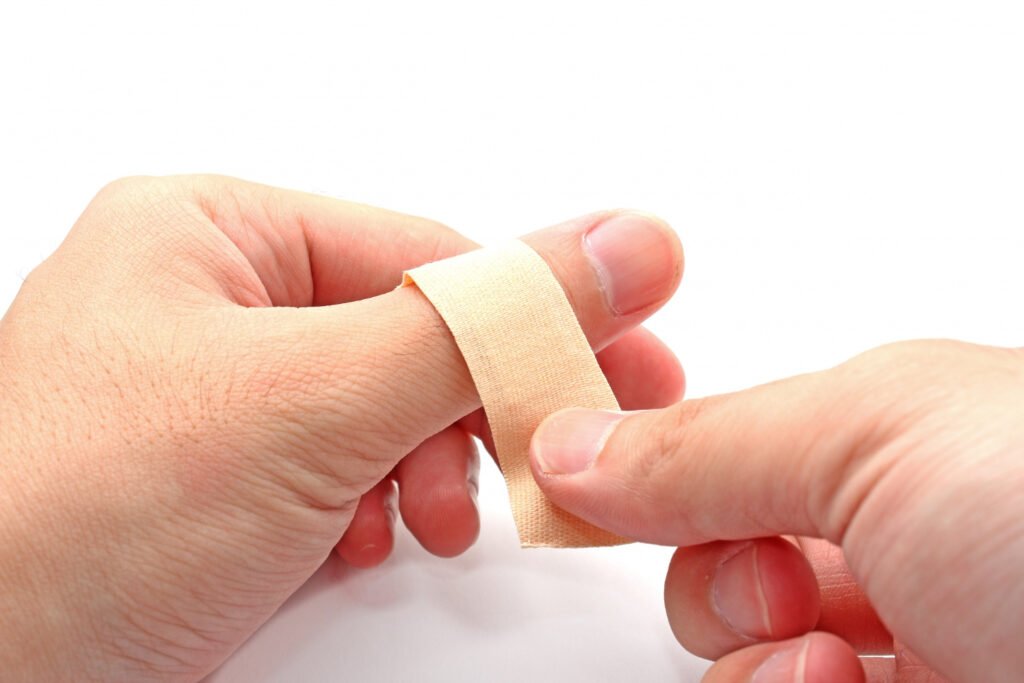
Traditional gauze and adhesive bandages are often “passive” dressings. They protect the wound from dirt, but they also absorb all the natural moisture (exudate) that contains essential growth factors. When these dressings are removed, they often rip away the newly formed skin cells, resetting the healing clock. Moist wound healing uses “active” or “hydroactive” materials that keep the good moisture in while allowing the wound to stay protected from external bacteria.
The Biological Mechanics: How Cells Move in Moisture
To understand why moisture is superior, we have to look at the microscopic level. When you have a wound, your body sends out “repair cells” called keratinocytes. Think of these cells as tiny construction workers trying to build a new layer of skin across the gap.
The Role of Keratinocytes and Angiogenesis
In a moist environment, these cells can “swim” across the wound bed with ease. They migrate quickly from the edges to the center, closing the gap in record time. Simultaneously, new blood vessels (angiogenesis) form more efficiently in a hydrated environment, ensuring that oxygen and nutrients reach the site of the injury.
Why Scabs Act as a Physical Roadblock to Healing
When a wound dries out and a scab forms, those same keratinocytes face a massive obstacle. They cannot swim through a hard, dry crust. Instead, they are forced to dive deep underneath the scab to find a moist layer where they can move. This detour takes significant energy and time. Essentially, by letting a wound “breathe” and scab over, you are forcing your body to work twice as hard to achieve the same result.
5 Scientific Reasons Why Moist is Better Than Dry
1. Faster Re-epithelialization (Skin Regrowth)
Clinical studies have consistently shown that wounds kept in a moist environment heal up to 50% faster than those left to dry out. By removing the physical barrier of a scab, you allow the skin to knit back together without unnecessary delays.
2. Significant Reduction in Pain and Stinging
Have you ever noticed how a dry scab feels tight, itchy, and painful whenever you move? That is because the dry tissue is pulling on sensitive nerve endings. Moisture keeps the tissues supple and protects the nerve endings, leading to a much more comfortable recovery process.
3. Lower Risk of Infection and Bacterial Colonization
A common fear is that moisture breeds bacteria. However, the opposite is true. A dry scab often develops microscopic cracks that act as entry points for germs. A proper moist healing dressing creates a sealed barrier that keeps external contaminants out while allowing the body’s white blood cells to work effectively within the wound fluid.
4. Prevention of Scar Tissue Formation
Scabs are one of the primary causes of scarring. When the healing process is forced deep underground, the resulting tissue is often disorganized and thick. Moist healing promotes a smoother, more aesthetic repair, which is especially important for visible areas like the face or arms.
5. Minimal Disruption During Dressing Changes
We all remember the childhood trauma of pulling off a bandage that had stuck to a scab. This “mechanical debridement” destroys the progress your body made overnight. Moist dressings do not stick to the wound bed, allowing for painless removal that leaves the new skin intact.
The Singaporean Context: Humidity vs. Healing
In Singapore, we face a unique challenge. Our high humidity and tropical heat mean that sweat can often accumulate under a standard bandage, leading to skin maceration (where the skin becomes white and soggy).
Managing Wounds in a Tropical Climate
This is why choosing the right products is vital. You don’t want a “sweaty” wound; you want a “medically moist” wound. In Singapore’s environment, using a high-quality antiseptic like Octenisept® is crucial because it provides a broad-spectrum shield against the bacteria that thrive in our heat, without the stinging or staining of older treatments like iodine.
How to Implement Moist Healing at Home
Step 1: Cleansing and Disinfection with Octenisept®
Before covering the wound, it must be cleaned. Avoid hydrogen peroxide, which can damage healthy tissue. Instead, use a “no-sting” antiseptic spray like Octenisept®. This ensures the wound bed is sterile and ready for the healing process to begin.
Step 2: Choosing the Right Hydroactive Dressing
After disinfection, apply a dressing that supports moisture. Look for hydrocolloid or hydrogel dressings. These are designed to stay on for several days, creating that perfect “swimming pool” for your repair cells to finish their work.
When Should You Still Seek Professional Help?
While most minor wounds can be managed at home using these modern principles, you should always consult a doctor if you notice spreading redness, a fever, or if the wound is deep enough to require stitches. Chronic wounds, especially for those with underlying conditions like diabetes, require professional supervision.
Embracing Modern Science for Better Recovery
The next time you find yourself with a minor injury, remember: your cells don’t need to “breathe” air; they need to “breathe” in a nutrient-rich, hydrated environment. By ditching the myth of the scab and embracing the science of moist wound healing, you are giving your body the best possible chance at a fast, painless, and scar-free recovery. Don’t let old wives’ tales dictate your first aid—trust the clinical evidence and give your skin the moisture it deserves.